History
Founded on Tuesday, December 4,1906, Alpha Phi Alpha Fraternity Incorporated has followed African American history onward and upwards on the march towards greater social, economic, and intellectual status throughout the 20th and 21st centuries. Its Seven Founders, known as The Seven Jewels, were college men of distinction who grew to be Firsts in their fields, Serving their communities, and Transcending “narrowly circumscribed opportunity.” Their circumstances as Black men attending Cornell University, an Ivy League school, at the turn of the century led them to find solace in the brotherhood offered by an organization founded on high ideals and a profound cultural awareness. The organization and its aims of “Manly Deeds, Scholarship, and Love For All Mankind”, inspired brothers to take active roles in business, industry, science, and law. Brothers, Dr. Rev. Martin Luther King Jr., Justice Thurgood Marshall, Jesse Owens, Paul Robeson, and W.E.B. DuBois are just a few names of men who shaped the face of Alpha and the history of African-Americans. Even during today’s challenging times, men of Alpha have stood to lend support to their communities and stand as examples of leadership. This dedication to upholding the light calls for a commitment to service and scholarship that many aspire towards, few can fulfill, and all brothers pursue.
The Seven Jewels
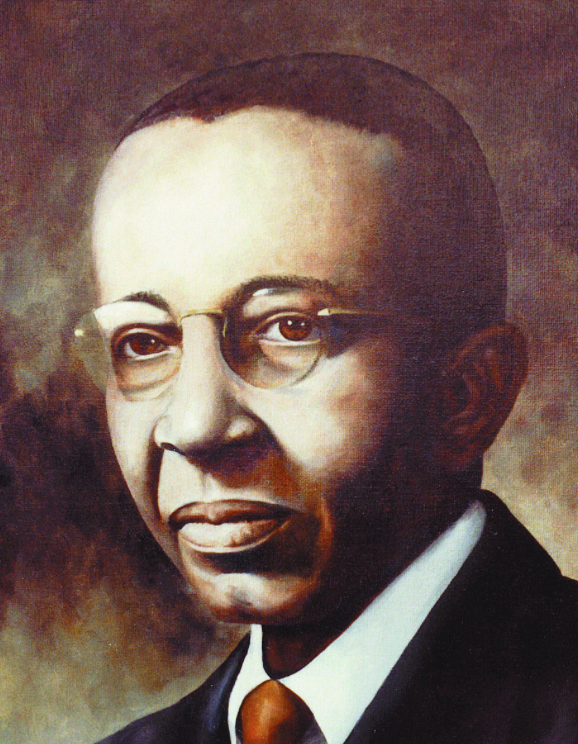
Henry A. Callis
Became a practicing physician, Howard University Professor of Medicine and prolific contributor to medical journals. Often regarded as the “philosopher of the founders” and a moving force in the Fraternity’s development, he was the only one of the “Cornell Seven” to become general president. Prior to moving to Washington, D.C., he was a medical consultant to the Veterans Hospital in Tuskegee, Alabama. Upon his death in 1974, at age 87, the fraternity entered a time without any living Jewels. His papers were donated to Howard’s Moorland-Spingarn Research Center.
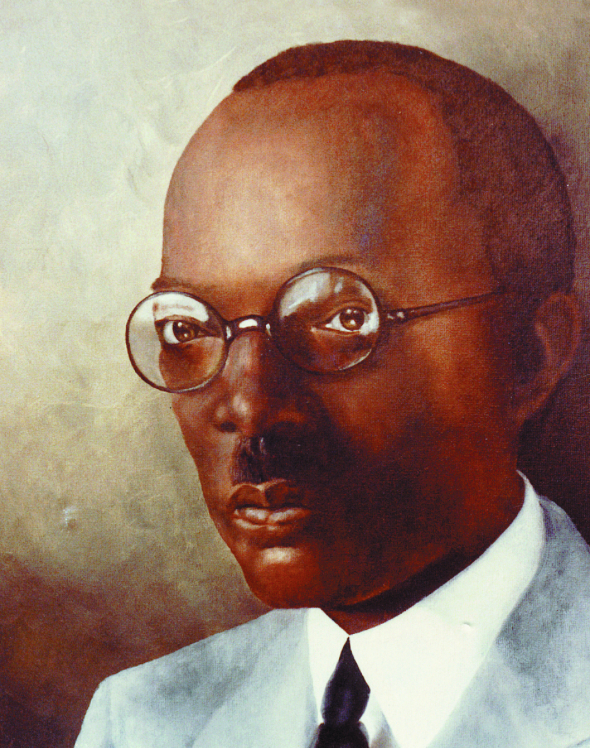
Charles H. Chapman
Entered higher education and eventually became Professor of Agriculture at what is now Florida A&M University. A university funeral was held with considerable fraternity participation when he became the first Jewel to enter Omega Chapter in 1934. Described as “a brother beloved in the bonds,” Chapman was a founder of FAMU’s Beta Nu Chapter. During the organization stages of Alpha Chapter, he was the first chairman of the Committees on Initiation and Organization.
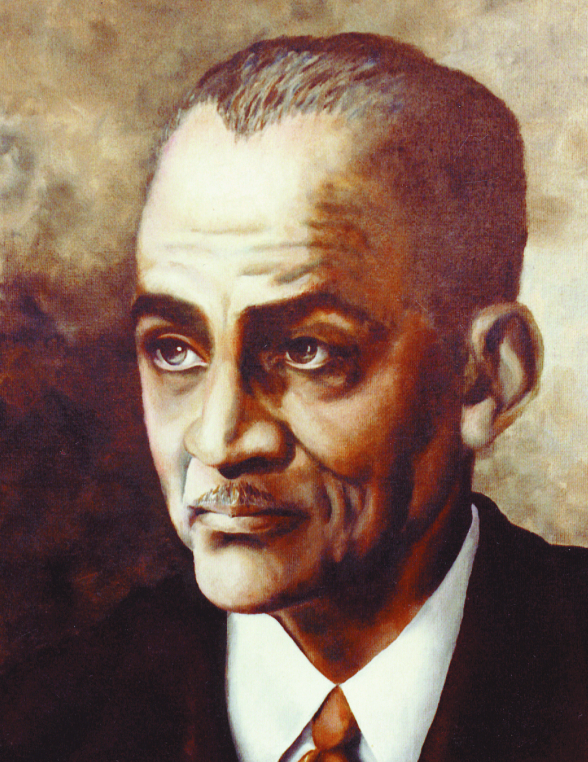
Eugene K. Jones
Became the first executive secretary of the National Urban League. His 20-year tenure with the Urban League thus far has exceeded those of all his successors in office. A versatile leader, he organized the first three fraternity chapters that branched out from Cornell -Beta at Howard, Gamma at Virginia Union University, and the original Delta at the University of Toronto in Canada. In addition to becoming Alpha Chapter's second president adjoining with Callis in creating the fraternity name, Jones was a member of the first Committees on Constitution and Organization and helped write the fraternity ritual.
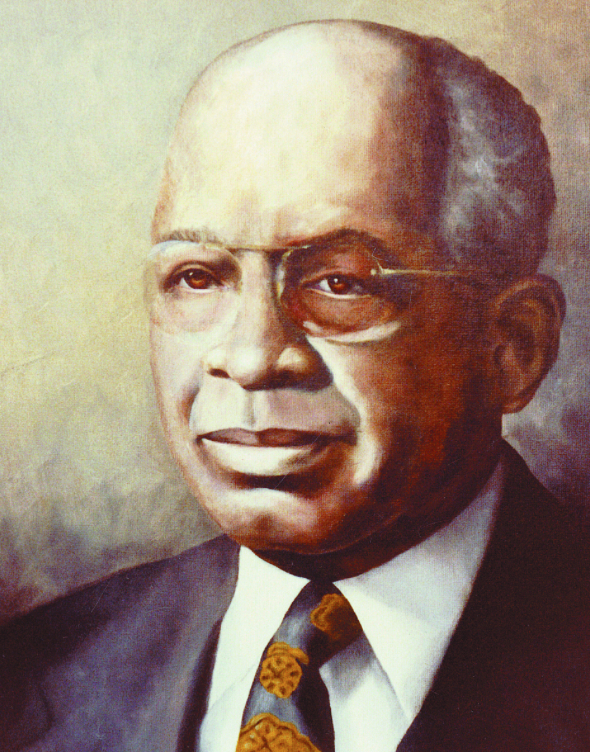
George B. Kelley
Became the first African American engineer registered in the state of New York. Not only was he the strongest proponent of the Fraternity idea among the organization's founders, the civil engineer student also became Alpha Chapter's first president. In addition he served on committees that worked out the handshake and ritual. He resided in Troy, New York and was active with Beta Pi Lambda Chapter in Albany. He died in 1963.
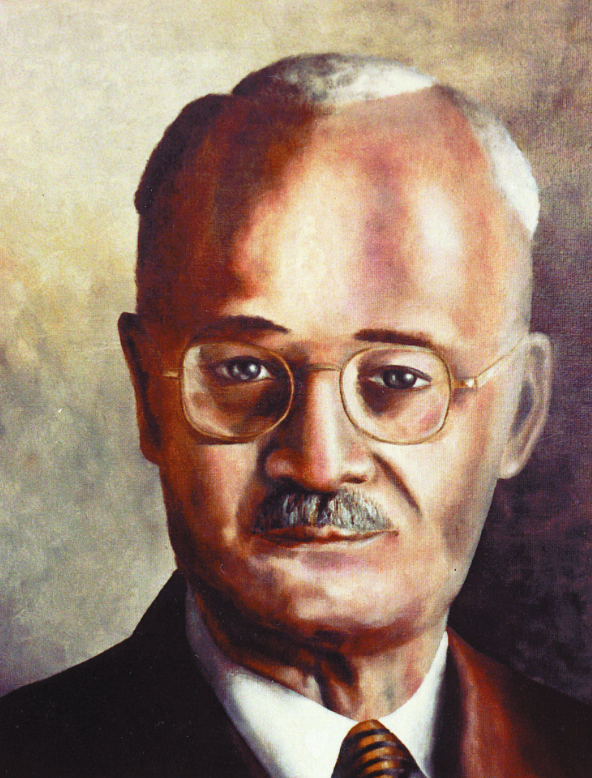
Nathaniel A. Murray
Pursued graduate work after completing his undergraduate studies at Howard. He later returned home to Washington, D.C., where he taught in public schools. Much of his career was spent at Armstrong Vocational High School in the District of Columbia. He was a member of Alpha Chapter’s first committee on organization of the new fraternal group, as well as the Committee on the Grip. The charter member of Washington’s Mu Lambda Chapter was a frequent attendee of general conventions. He died in 1959.
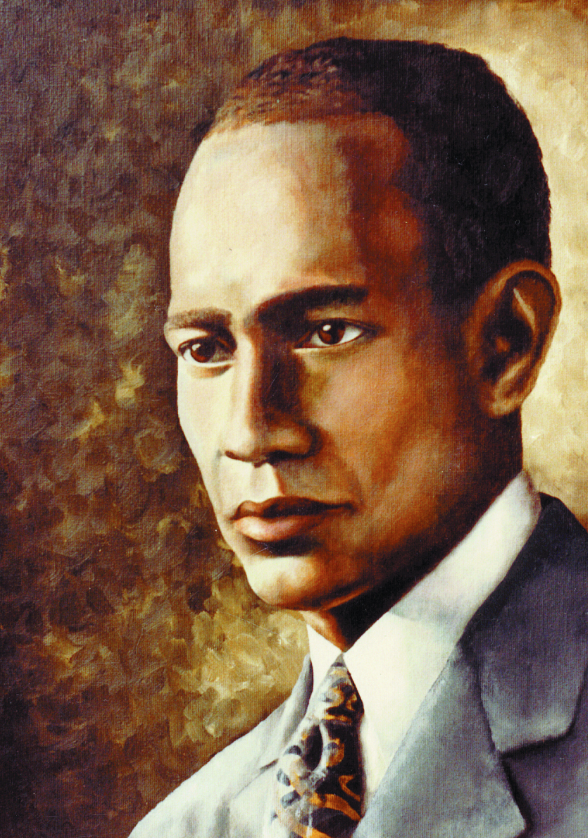
Robert H. Ogle
Entered the career secretarial field and had the unique privilege of serving as a professional staff member to the United States Senate Committee on Appropriations. He was an African-American pioneer in his Capitol Hill position. He proposed the fraternity’s colors and was Alpha Chapter’s first secretary. Ogle joined Kelley in working out the first ritual and later became a charter member of Washington’s Mu Lambda Chapter. He died in 1936.
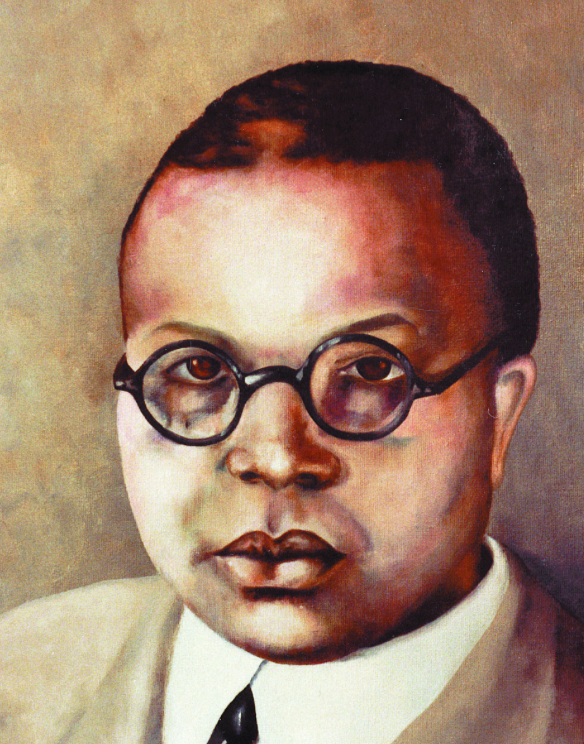
Vertner W. Tandy
Became the state of New York's first registered black architect, with offices on Broadway in New York City. The designer of the Fraternity pin holds the distinction of being the first African American to pass the military commissioning examination. He was Alpha Chapter's first treasurer and took the initiative to incorporate the fraternity.